
The research indicates what peptide blends are — how KLOW The MOTS-c Peptide , GLOW, and Wolverine stack up against each other, the prevalent blends, and how to verify a blend’s COA. Research-use-only spec guide with a COA checklist. See each ingredient’s risks (product-quality dangers), who should avoid it and the warning signs. Understand their mechanisms, the common varieties, and the distinctions between them and proteins. Each guide organizes its findings according to the study type—cellular (animal), or human—allowing you to assess the strength of the evidence.
This document treats KLOW as a laboratory research substance rather than an FDA-sanctioned pharmaceutical. The individual elements are found in preclinical studies related to cellular signaling (activities of the extracellular matrix), and inflammatory pathways. If you want updates on new batch results and restock notifications as they become available, please provide your email. In our research library — peer-reviewed studies have investigated the mechanisms by which these peptide compounds operate.
Under 21 USC § 321(g)(1) (any substance intended for use in the diagnosis), cure, mitigation, treatment, or prevention of disease in humans is classified as a drug and must undergo FDA approval before marketing. Research published in peer-reviewed journals between 2018 to 2025 established KLOW’s mechanism of action at the cellular level (but no Phase III clinical trials have been completed as of 2026), meaning the peptide lacks the safety and efficacy data required for FDA approval as a pharmaceutical product. KLOW peptide (also referenced in literature as Klotho-derived peptide or α-Klotho fragment) operates under the same regulatory framework as other investigational peptides not yet approved through the FDA’s New Drug Application process.
Common Misconceptions About KLOW
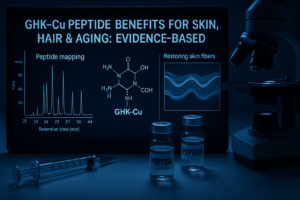
The KLOW dosing literature suggests a range from approximately 2.7mg to 8mg total peptide daily, depending on goals and individual response. Peptide dosing confuses people because it involves converting between milligrams — micrograms, and syringe units. Bacteriostatic water contains 0.9% benzyl alcohol, which inhibits microbial growth and allows the reconstituted solution to remain stable for weeks rather than days. Using sterile water instead of bacteriostatic water is a common error that leads to bacterial contamination and reduced shelf life. TB-500 enhances wound healing — reduces inflammation, and supports cardiovascular health. It supports gut health, protects against NSAID damage, and promotes recovery from various types of tissue injury.
It is crafted to facilitate tissue repair (control inflammation), promote angiogenesis, and remodel the extracellular matrix through four distinct yet complementary mechanisms at the same time. Share your background and aspirations (and it will generate a comprehensive), tailored KLOW protocol in less than 60 seconds. However — it cannot prescribe the exact appearance of your protocol, as this varies based on your medical history, body weight, objectives, and any other substances you may be using.
The substances discussed are intended solely for laboratory research and are not meant for human consumption. Our Editorial Policy details how we gather and assess each guide. Results from animals and laboratories are never interpreted as outcomes in humans. Discover the existing knowledge in humans, the caution regarding cancer, and the legal status for 2026.
Injection protocol and administration
This indicates that the persuasive, thorough-sounding marketing claims exceed what has actually been substantiated in human studies for three out of the four ingredients. Of the four, it is the most well-established, especially for topical applications in collagen synthesis and wound healing. Compared to the other three (it’s a newer addition to peptide blends), resulting in relatively less research and a shorter practical usage history. Before determining if the additional ingredient and claims are justified, it’s beneficial to understand precisely what is included in KLOW, the evidence supporting each component, and where the marketing may surpass the scientific evidence.
The technical storage or access is required to create user profiles to send advertising, or to track the user on a website or across several websites for similar marketing purposes. All KLOW.BIO products are sold strictly for in-vitro and pre-clinical research use only and are not intended for human consumption and not for veterinary use. We source, test, and ship high-purity research compounds with full transparency, so labs and independent researchers can spend less time worrying about quality and more time on their work. Many suppliers source the cheapest material possible and skip proper batch verification. The peptide industry has become flooded with low-cost suppliers cutting corners on purity, storage, and quality control. Researchers must comply with all applicable federal, state, local, and institutional regulations and must obtain all necessary approvals prior to any experimental work.
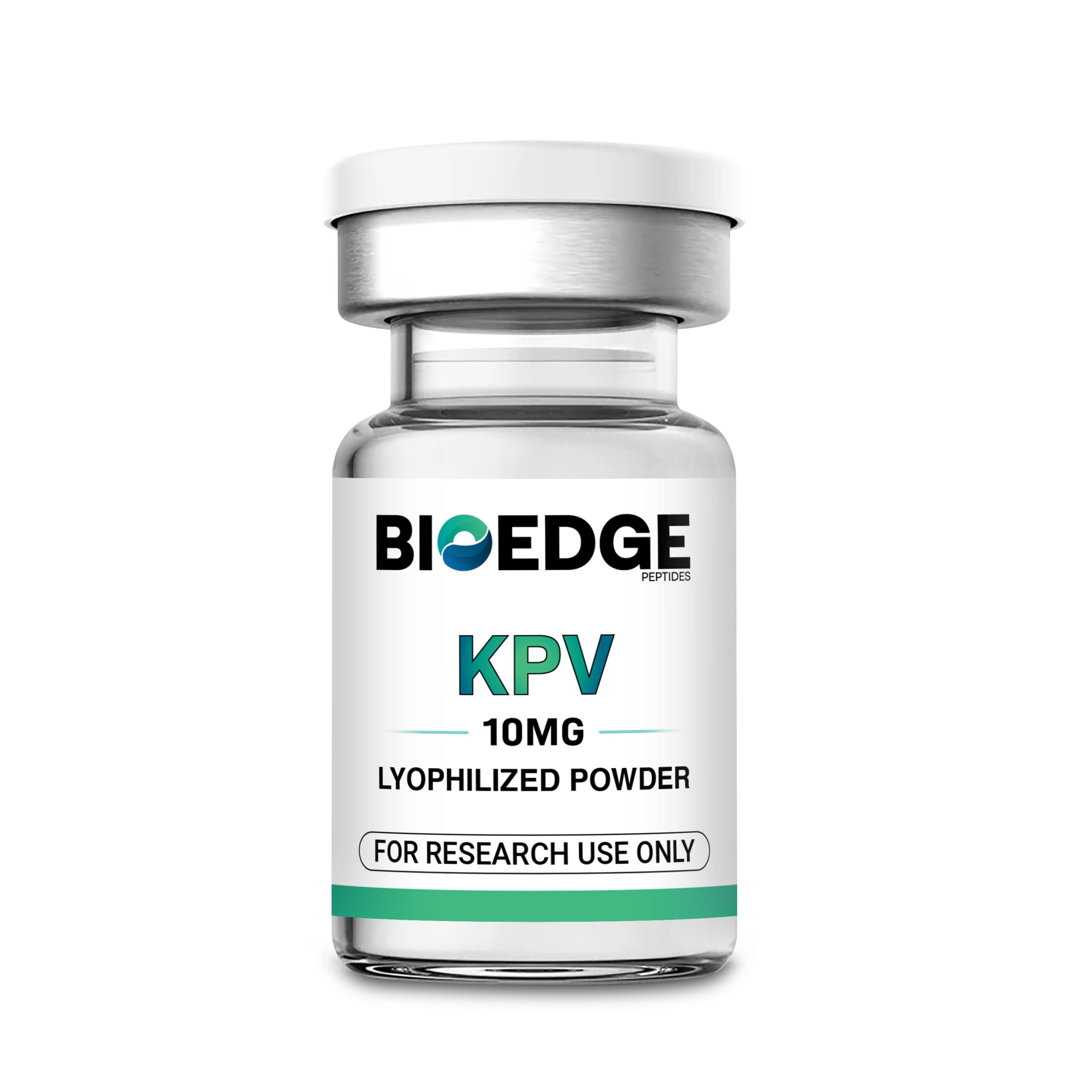
The blend problem: verify all four
Neither name is standardized across the industry, so component ratios can vary between suppliers under the same blend name. The full catalog of research compounds is available in the Protide Health peptide shop, and every published result across all products is in the COA archive. Testing is performed by Freedom Diagnostics across HPLC-UV purity (LC-MS identity), and endotoxin analysis, with results published per lot. Every published Protide result is searchable in the COA library and can also be viewed in the test results archive. This is the check that matters most for a blend, because it confirms the vial contains what the label claims rather than a subset.
When the focus is mainly on musculoskeletal repair (Wolverine), which excludes KPV, often suffices and represents our more established protocol. KLOW and its individual components are marketed as research materials only and lack FDA or equivalent body approval for human ingestion, administration, or clinical application. As a material meant solely for research purposes — KLOW does not have a defined safety profile for humans, and controlled trials regarding its side effects have not been conducted. These calculations, tailored for laboratory measurement precision, are not intended as dosing recommendations for individuals due to KLOW’s status as a research-use-only material. The following chart illustrates the distribution of the four components when a standard KLOW 80 vial is reconstituted (and it is provided exclusively as a laboratory reference for handling research materials), not as guidance for human application.
The “Klow and Glow Blends” Concept
The inflammatory reset achieved through KPV often maintains for weeks to months. Many benefits persist after discontinuation because they result from actual tissue changes rather than temporary effects. Collagen remodeling continues throughout this period, meaning skin benefits continue to develop even as the protocol progresses. The groundwork laid during these weeks determines later success.
